Welcome to Nigeria
By: Jonah Plummer and Trent MacAlister
Nigerian Culture
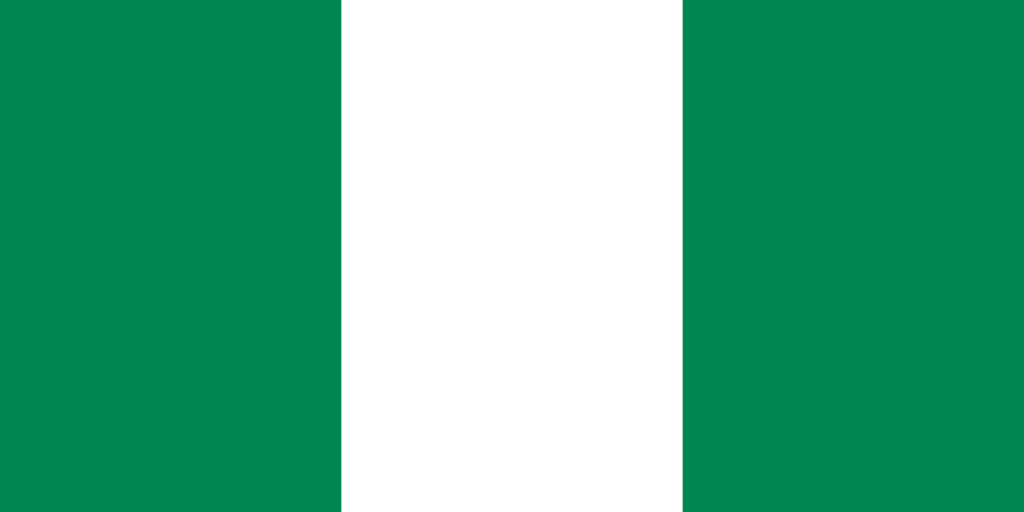
Nigeria’s culture is very diverse with over 250 dialects and over 50 languages. There are three large ethnic groups in Nigeria. They are the Igbo in the Southeast, the Hausa-Fulani in the North, and the Yoruba in the Southwest. The ethnic group between the Igbo and the Yoruba is the Edo. A large majority of the Edo population is Christian. The rest of the ethnic groups are mainly found in the North and central area of Nigeria. These cultures tend to be different with some of them being Christian, some being Islamic, and some being Muslim. The language in Nigeria tends to be Pidgin English. Pidgin English is very similar to regular English, except for the use of multiple slang terms (Nigerian Culture). Here is just quick overview of the Nigerian culture: https://www.youtube.com/watch?v=xjPqdD0EJhk.
Deforestation
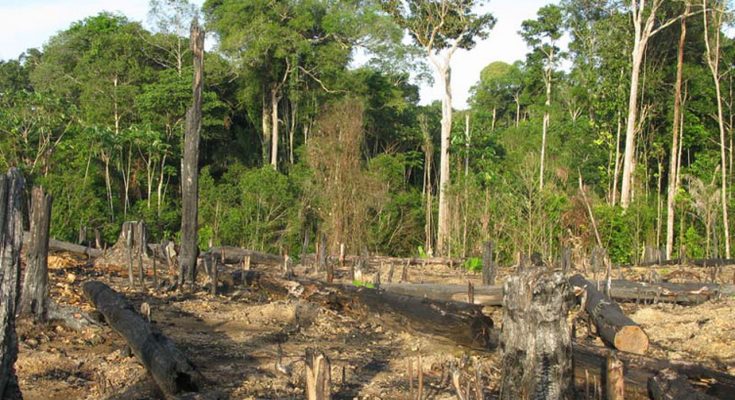
The current issue that is going to be covered is Nigeria’s deforestation problem. Deforestation is an international issue and it has been for quite a while now. Basically, deforestation is clearing out patches of trees in an area. The cutting down of these trees has a larger impact than most people realize. In a country like Nigeria, much of its animal population lives in the forests and trees. Therefore, when the trees get cleared, multiple habitats are stolen from numerous animals in nature. That leaves those animals affected misplaced and left with little to no options for survival (Okeke).
Nigerian Economy
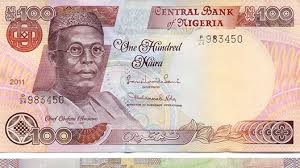
Nigeria has a very large youth population which contributes to them having the largest population in East Africa. Nigeria’s biggest assets are natural resources, oil, and its large natural gas reserves. Nigeria’s GDP has steadily dropped since the oil prices crashed in 2014-2016. Nigeria also has an inflation rate that has increased to slightly above 10%. With very little growth and Nigerian markets performing poorly, the lower classes are not presented with many opportunities to move up socially. Overall, the Nigerian economy below average and is in harm’s way of a potential crash (World Bank).
Nigerian Political System
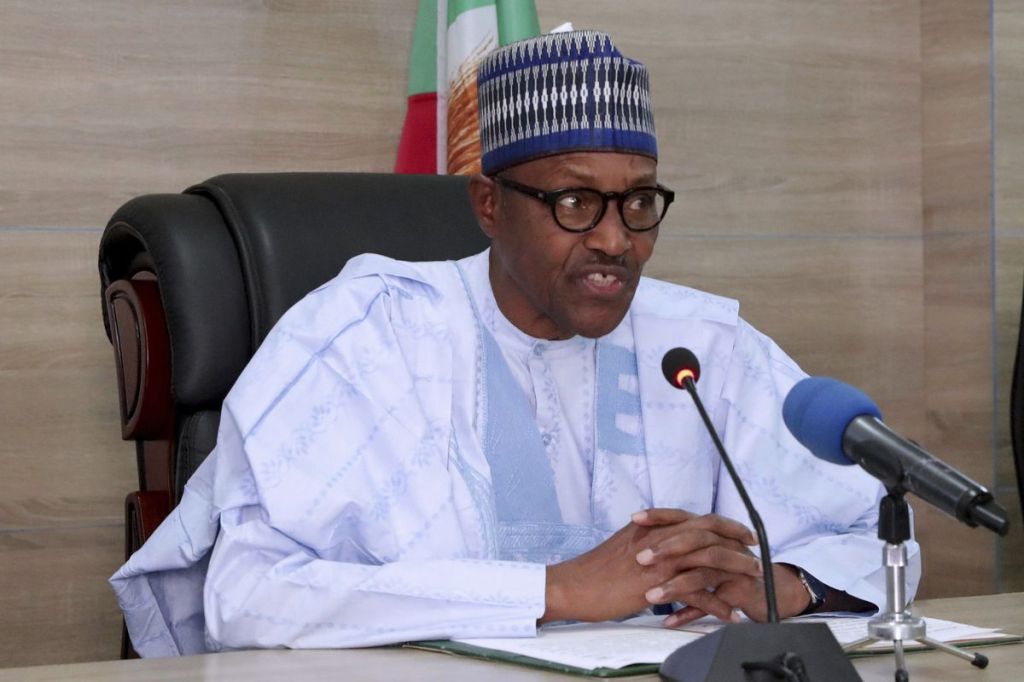
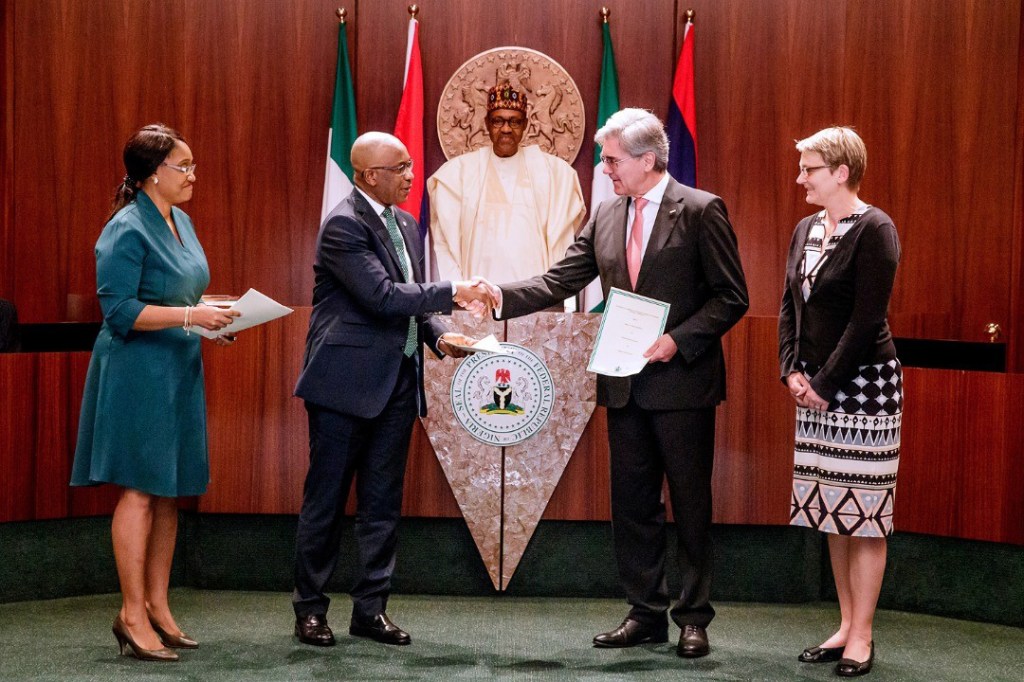
In 1999, Nigeria passed its constitution. The constitution creates a Supreme Court, a Senate, a House of Representatives, and a President. Nigeria is ultimately defined as a federal republic. Like America, all executive power is given to the president in Nigeria. Unfortunately, elected officials in Nigeria do not face much competition. This limits the nation’s democracy. As of today, Nigeria has 774 local governments inside of its 36 states (Nigeria Government). Here is a video of a meeting between Donald Trump and the Nigerian president, Muhammadu Buhar: https://www.youtube.com/watch?v=W4Cn47ePFAU
Government in Deforestation
In Nigeria, the federal government implemented a freeze on timber products. However, deforestation was continued and was rising, which should not happen given the circumstances. This means that in Nigeria, illegal deforestation is a major issue. Illegal deforestation can cause more risks and issues in the environment because it is not documented. This means that environmental issues can rise to new heights and become uncontrollable. Chika Okeke explains that Nigeria loses about 1.5 million trees daily from illegal deforestation. Nigeria also has the deforestation rate per cent in the world. Nigeria currently sits at a 3.5 per cent annually. With the high rate of deforestation, Nigeria suffers the consequences in all aspects. The common linkage is that people coincide with nature. If the deforestation rates stay incredibly high, the smaller problems will quickly spread and end up affecting the human population in Nigeria (Okeke).
Nigerian History
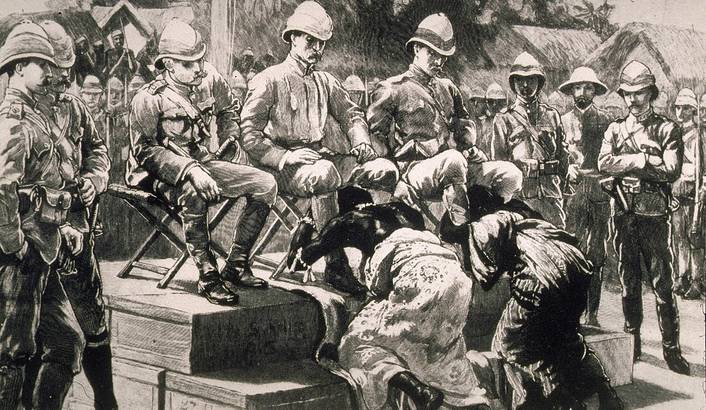
The land of Nigeria is thought to have been first inhabited between 500 B.C. to 200 A.D. by the Nok people. Following them, the Fulani, Hausa, and Kanuri settled there. Until the British annexed Lagos in 1851, the Fulani ruled the region starting in the nineteenth century. The British then seized the remaining area of the region in 1886 (Nigeria). In 1914, the region formally became the Colony and Protectorate of Nigeria. In 1960, the country became independent on October. In 1963, they elected to stay a member of the Commonwealth while adopting a republican constitution (Nigeria).
Nigerian Ecology
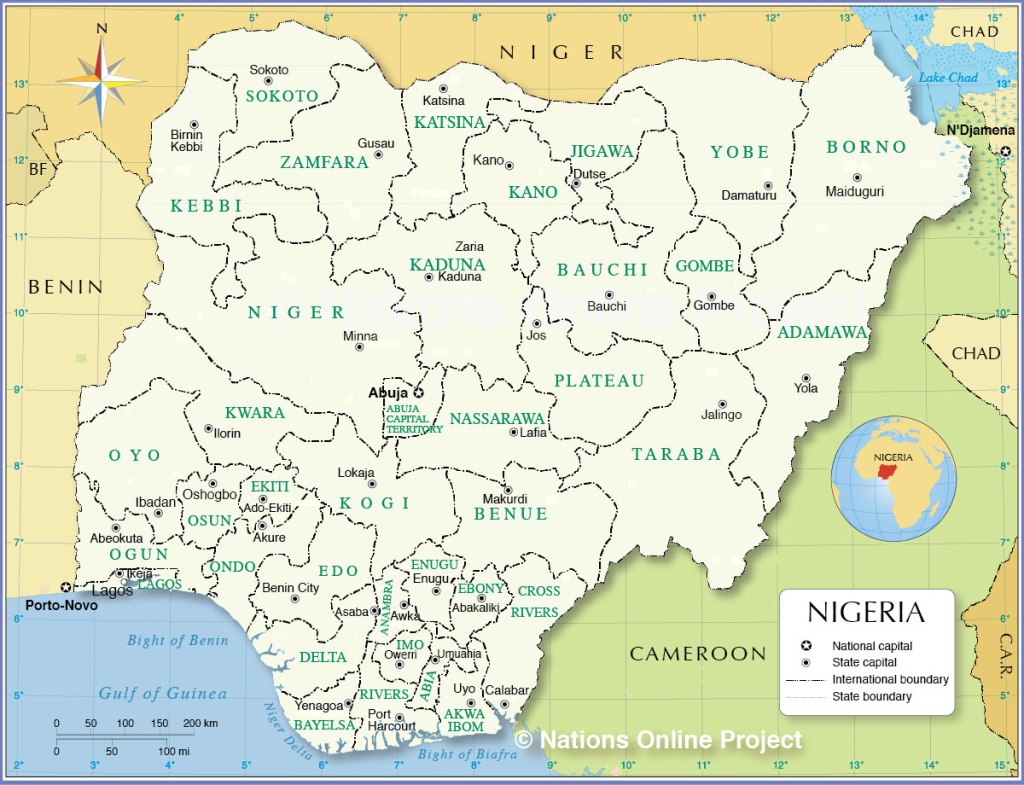
Nigeria has five terrestrial ecoregions. These include the shrublands flooded and grasslands and shrublands, tropical and subtropical grasslands, tropical and subtropical moist broadleaf forests, mangroves, montane grasslands and shrublands. The Nilo-Sudan and the West Coastal Equatorial ecoregions are the freshwater regions of Nigeria. The Gulf of Guinea Central ecoregion is a marine ecoregion. Nigeria is enriched with several biodiversity. Nigeria has twenty-two thousand different species of animals, vertebrae and invertebrate. With climates ranging from arid to humid equatorial, Nigeria has a diverse geography. Nigeria is south of Niger, to the west of Chad and Cameroon, north of the Gulf of Guinea, and to the east of Benin. Nigeria has plains in the north and south, with plateaus and hills in the middle of the country (Izah, Aigberua, & Nduka).
Environmental Impacts
Experts have also brought light to how deforestation affects climate change. Deforestation can lead to harsh weather, drought, and seas level changes along with other side effects. These negative effects serve up serious issues to people and nature and could end up being fatal to some. Clearly, deforestation has a larger impact than habitats and forests. The issue spreads throughout the world now. Over the past few years, a frequently talked about issue has been climate change and many people do not see the connection between deforestation and climate change. The connection between the two issues is not frequently talked about. Humans are a leading factor in climate change and humans are the factors that can either prevent or produce deforestation. Ultimately, humans can affect the climate with many simple changes that are not too serious. However, deforestation is a big issue that affects more people and more individuals daily. Deforestation affects an exponential number of animals daily due to their habitats being destroyed. That can ultimately affect the entire food web if species stop gaining resources and species become smaller in population size. That can hurt humans because the nutrition sources of meat will start to vanish due to the side effects of deforestation. Overall, deforestation, both legal and illegal, can severely impact large populations. The impact on the ecosystems and environments are greater than some people realize. Specifically, in Nigeria, people and communities will directly feel the impacts when the weather starts to decline, and the food population diminishes. If a drought comes and the farms cannot produce for a season, communities in Nigeria will not be able to survive that impact. Deforestation is a crucial issue in Nigeria and needs to be discussed (Okeke).
Stakeholders
Logging Companies: The logging companies, including such businesses as Agro Forest Nigeria Limited, BG Contracting Limited, and Afolake Nigerian Enterprises, as well as everyone else who logs illegally are stakeholders in the deforestation of Nigeria. These groups, especially those who chop down trees illegally, contribute to the largest desertification rates in the world with Nigeria having lost 55.7 percent of its primary forest. Nigeria loses between 350,000 and 400,000 hectares of forest per year (Balarabe). The main reasons the logging companies are clearing the Nigerian forests are to export timber, clear land for farming, as well as to produce wood to use for fuel in the African continent. All of the logging companies and people who chop down the trees benefit from their actions, as they are able to either sell the wood for a profit or us it in their projects for their benefit. The illegal loggers that do not get caught benefit as well as they do not have to pay for the proper licensing or permits to acquire lumber.
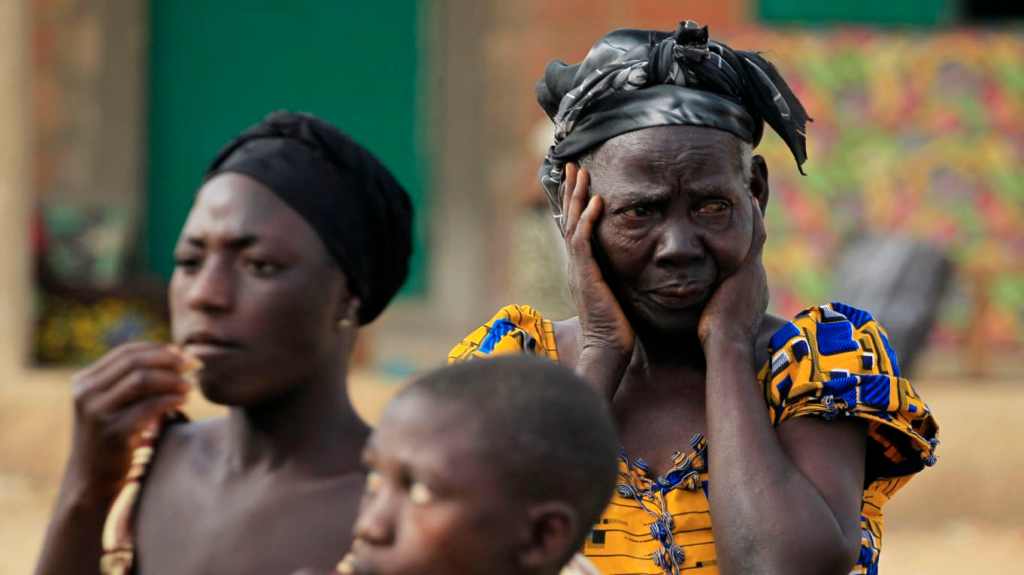
Nigerian Population: The people of Nigeria have a complicated relationship with the deforestation and logging that is occurring in their country. They are stakeholders who are affected by a “double-edged sword,” meaning they both benefit and are harmed by the actions of the logging companies. This group of stakeholders includes every person that resides in the country of Nigeria, as all of the citizens are affected by the logging. The benefits from the deforestation the Nigerian population experience include wood available to use as fuel in their homes, cleared land that is available for farming crops, and possible jobs at the logging companies to clear the forests. However, the negatives the Nigerian citizens are subjected to very much outweigh the benefits. The stripping of the Nigerian forests causes health concerns for the people who live there, including dangers associated with climate change such as extreme weather conditions, rise in sea level, flooding, drought and acidic rainfall (Okeke).
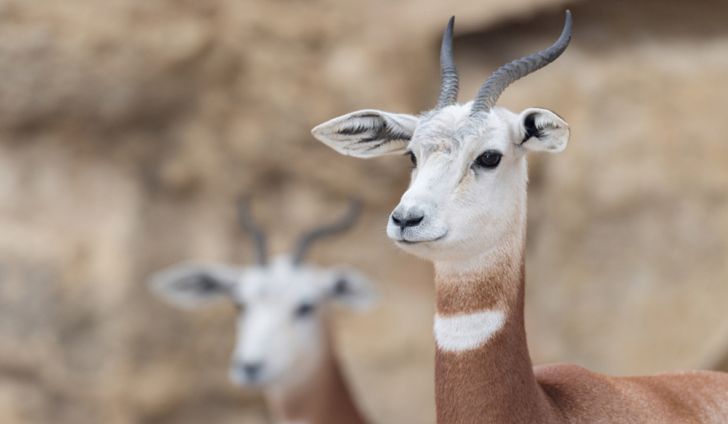
Nigerian Wildlife: The biggest victim of the 1.5 million trees chopped down daily in Nigeria is the wildlife and plants that reside in the forests. Nigeria’s “wide biodiversity of 899 species of birds, 274 mammals, 154 reptiles, 53 amphibians and 4,715 species of higher plants” (Masaeli, Yaya, & Sneller) have been drastically impacted by habitat loss and increased carbon emissions due to the deforestation. Many of Nigeria’s amphibians and vascular plants are endemic, meaning they are not found in any other locations on the planet, which is why they need to be protected before going extinct. Several species are already threatened, meaning they are in danger of going extinct if no changes are made. Preserving the biodiversity of the Nigerian rainforests is a constant battle due to the “logging and continuous land clearing for farming” (Knight), which is unfair to the animals who have no part in this besides living in the areas which are being cleared.
The Entire Planet: Finally, the last, and largest stakeholder is the entire planet. All human beings, animals, and plants that are on Earth are negatively affected by the fastest deforestation record in the world, which happens in Nigeria. The effects of forest clearing spread far and wide, affecting organisms on the other side of the globe. Even with no involvement, people, wildlife, and vegetation are subject to the negative effects which include reduced rainfall, increased carbon, and greenhouse gas emissions, and climate change (Derouin). These can also lead to the effects the Nigerian people have to deal with on a greater scale since they live closer, such as extreme weather, higher sea levels, floods, droughts, and acidic rainfall. Even though the tree clearing is happening in Nigeria, its effects show up all around Earth, which is why it is so important to hold the logging companies responsible for their harmful actions. The entire world can present alternative solutions to clearing Nigeria’s rainforests and help each other out.
Scholarly Article Examination 1: Jonah Plummer
I am reading an article that examines if deforestation affects disease in humans. The study takes place in Nigeria and takes a look at how illness can be a result of forest loss. The main illness studied was malaria. Mosquitoes have a large population in Nigeria and can be prevalent in some areas. Areas of concern were isolated communities with limited access to natural resources, such as water. Even with medical advancements in Nigeria, there are still areas without access and live in dangerous environments. The initial results of the study show a negative correlation between forest loss and illness. This means that forest loss and deforestation do not show signs of impacting illness in communities. However, when looked deeper into, they found that factors such as human impact and ecological changes can link forest loss to malaria. Overall, the final findings state that forest loss does increase malaria in the next two years after loss. There was also no correlation with respiratory or diarrhea diseases.
Article: Berazneva, J., & Byker, T. (2017). Does Forest Loss Increase Human Disease? Evidence from Nigeria. The American Economic Review. http://www.jstor.org/stable/44250452
Scholarly Article Examination 2 & 3: Trent MacAlister
The scholarly article that I read was about deforestation in the United States and its impact on water yield from precipitation and evapotranspiration. Using an annual actual evapotranspiration model (AET) and potential evapotranspiration equation (PET), the researchers compared the water yield from the Southeastern United States to the Midwest region, as the deforestation rates in the Southeast are much higher. They found that the deforestation caused the water yield to have an increased spatial variation across the Southeast compared to the Midwest. This means the water yield levels were much more unpredictable and unbalanced. This is consistent with the negative effects we view in Nigeria due to their own deforestation issues.
Article: Amatya, D.M., Kolka, R.K., Liang, Y., McNulty, S.G., & Sun, G. (2004). Regional annual water yield from forest lands and its response to potential deforestation across the southeastern United States. Journal of Hydrology. https://www.srs.fs.usda.gov/pubs/ja/ja_sun010.pdf
The second scholarly article was about deforestation in Amazonia and how the Brazilian government has tried to slow the rapid rates. The most critical threats to forest clearing in Brazil are due to plans to expand highways and other major infrastructure projects within the country, as well as soybean farms. After public outcry about the destruction of the Amazon rainforest, the Brazilian government implemented new measures to slow the forest loss, including new agencies to catch illegal logging and prevent forest burning. However, these do not go far enough as they fail to address the infrastructure projects which are the most critical reasons why the deforestation is occurring. This is similar to reasons and lack of prevention that forest clearing is happening in Nigeria, and both countries need to address their issues because of all the negative externalities that occur from cutting down the trees.
Article: Albernaz, A. K. M., Fearnside, P. M., Ferreira, L. V., Laurance, W. F., & Vasconcelos, H. L. (2004). Deforestation in Amazonia. Science. https://science.sciencemag.org/content/304/5674/1109.2
Works Cited
Administrative Map of Nigeria. https://www.nationsonline.org/oneworld/map/nigeria-administrative-map.htmm
Balarabe, Ladidi Yakubu. (2011). Nigeria: Tackling Deforestation Problems. https://allafrica.com/stories/201106031011.html
Deforestation of a Nigerian Rainforest. https://agronaturenigeria.com/nigeria-ranks-highest-in-deforestation-rate-globally-newmap/
Derouin, Sarah. (2019). Deforestation: Facts, Causes & Effects. https://www.livescience.com/27692-deforestation.html
Flag of Nigeria. https://en.wikipedia.org/wiki/Flag_of_Nigeria
Gazelle in Nigeria. https://www.worldatlas.com/articles/animals-in-nigeria.html
History of Nigeria. https://www.aziza.com.ng/history-of-nigeria/
Izah S.C., Aigberua A.O., & Nduka J.O. (2018, May 3). Factors affecting the population trend of biodiversity in the Niger delta region of Nigeria. https://medcraveonline.com/IJAWB/factors-affecting-the-population-trend-of-biodiversity-in-the-niger-delta-region-of-nigeria.html
Kirby, Jen. 2019. 1200X800. https://www.vox.com/2019/2/27/18242104/nigeria-2019-elections-muhammadu-buhari-wins
Knight, Matthew. (2010). Battling to preserve Nigeria’s rainforest. https://www.cnn.com/2010/WORLD/africa/09/01/nigeria.rainforest.biodiveristy/index.html
Masaeli, Mahmoud, Yaya, Sanni, & Sneller, Rico. (2018). African Perspectives on Global Development. Newcastle, UK: Cambridge Scholars Publishing. https://books.google.com/books?id=MHSFDwAAQBAJ&pg=PA82&lpg=PA82&dq=wide+biodiversity+of+899+species+of+birds,+274+mammals,+154+reptiles,+53+amphibians+and+4,715+species+of+higher+plants&source=bl&ots=b7Qh9VikcR&sig=ACfU3U0z66iZ2YzazFKWwUbgKrh47yA4Ug&hl=en&sa=X&ved=2ahUKEwi_1JD3_8PoAhVDeawKHaroC4cQ6AEwAHoECAoQAQ#v=onepage&q=wide%20biodiversity%20of%20899%20species%20of%20birds%2C%20274%20mammals%2C%20154%20reptiles%2C%2053%20amphibians%20and%204%2C715%20species%20of%20higher%20plants&f=false
Nigeria. https://www.britannica.com/place/Nigeria
Nigeria Government. https://www.globalsecurity.org/military/world/nigeria/government.htm
Nigerian Culture. http://nigeria-consulate-atl.org/nigerian-culture/
Nigerian Government Agreement. https://press.siemens.com/global/en/pressrelease/siemens-and-nigerian-government-signed-implementation-agreement-electrification
Nigerian People. https://www.thedailybeast.com/the-nigerian-war-thats-slaughtered-more-people-than-boko-haram
Okeke, Chika. (2018). Nigeria: Is Nigeria Losing War Against Deforestation? https://allafrica.com/stories/201808270252.html
The Language of Nigerian Money. https://www.newyorker.com/business/currency/language-nigerian-money
(2019, October 13). The World Bank in Nigeria. https://www.worldbank.org/en/country/nigeria/overview
 Nigerian Deforestation